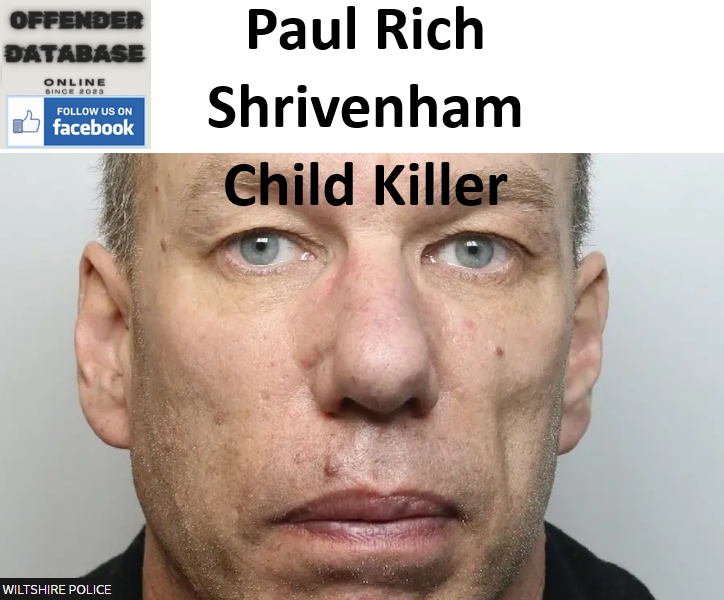
Shrivenham Man Admits Killing Baby: The Paul Rich Case Details
The quiet community of Shrivenham, a picturesque village nestled near Swindon, was profoundly shaken by the horrific details that emerged during the legal proceedings against Paul Rich. In a case that drew national attention, Rich, a 53-year-old man from Sandy Lane, Shrivenham, admitted to the unlawful killing of a three-month-old infant, Patrick Bradley. This tragic event brought to light the devastating consequences of frustration and the critical importance of child safeguarding.
The admission came on the eve of what was set to be a murder trial at Bristol Crown Court, with Rich ultimately pleading guilty to manslaughter. The details painted a harrowing picture of a tiny life cut short, leaving a community grappling with questions of justice and the profound need for vigilance in protecting our most vulnerable.
The Tragic Incident: A Baby's Life Cut Short
The events leading to baby Patrick Bradley’s death unfolded in March 2017. Paul Rich was entrusted with the care of the three-month-old infant at the child's home in Swindon. It was during this period, specifically in the early hours of 25 March 2017, that the fatal injuries were inflicted. According to the prosecution, Rich became "frustrated" while looking after Patrick. This frustration escalated into a violent act: he shook the baby and then threw him into a Moses basket.
Hours later, at approximately 03:15 GMT, Rich dialled 999, reporting that Patrick's eyes were "semi-open" and that the infant seemed "floppy." Emergency services rushed to the scene, and Patrick was immediately taken for medical attention. Despite the best efforts of medical professionals, the injuries sustained were catastrophic. The baby's life support was eventually withdrawn on 30 March, and heartbreakingly, Patrick died a short time later in his mother's arms.
The cause of death was definitively identified as a "severe head injury," but medical examinations also revealed further trauma, including compression to the ribs and the clear signs of shaking. This combination of injuries told a grim story that contradicted any claims of an accidental fall or minor incident.
The Investigation and Unraveling of the Truth
From the outset, the investigation into Patrick Bradley's death was complex. Paul Rich initially claimed that the infant's injuries were caused by him accidentally dropping Patrick from his arms into the Moses basket. However, this account was swiftly challenged by the prosecution, led by Sally Howes QC, based on overwhelming medical evidence.
Medical experts concluded that Patrick had suffered severe blunt force impact to the head, along with the tell-tale signs of violent shaking and rib compression. These findings were inconsistent with Rich's narrative of an accidental drop. Ms. Howes stated that the "broad conclusion of the medical experts is the injuries occurred at the time of or shortly before Patrick's collapse," strongly suggesting that all the injuries were inflicted during a single, forceful assault. Crucially, the experts could not definitively describe the exact sequence of events, leaving the specific details known only to the defendant himself.
Facing the prospect of a murder trial, Paul Rich Shrivenham offered a new basis of plea, admitting to manslaughter. This pivotal moment, where he accepted unlawfully killing Patrick, marked a significant turn in the legal proceedings. The prosecution, after careful consideration of the evidence and the legal complexities, accepted this plea. While Rich initially faced two additional charges of causing grievous bodily harm with intent on Patrick between 23 and 26 March 2017, these charges were ordered to lie on file following the acceptance of the manslaughter plea, meaning they would not be pursued further unless absolutely necessary, given the gravity of the manslaughter conviction.
For a deeper dive into the legal nuances of this plea, see Paul Rich Shrivenham: Manslaughter Plea in Tragic Baby Death.
Manslaughter vs. Murder: Understanding the Legal Distinctions
The decision to accept a plea of manslaughter rather than pursuing a murder conviction can often be perplexing to the public, particularly in cases involving such tragic loss. Understanding the legal distinctions between these two serious charges is crucial.
- Murder typically requires proof of intent to kill or to cause grievous bodily harm (GBH), meaning severe harm. The prosecution must demonstrate that the defendant intended these outcomes when they committed the act.
- Manslaughter, on the other hand, is an unlawful killing without the specific intent required for murder. There are several categories of manslaughter:
- Constructive Manslaughter (or Unlawful Act Manslaughter): This applies when a person commits an unlawful and dangerous act which a reasonable person would foresee carries a risk of some harm, and that act results in death. Rich's "frustration" leading to shaking and throwing the baby, without necessarily intending to kill but clearly committing a dangerous act, fits this category.
- Gross Negligence Manslaughter: This involves a death caused by a grossly negligent act or omission by the defendant.
- Diminished Responsibility: Where a defendant's mental abnormality substantially impairs their mental responsibility for the killing.
In the case of Paul Rich Shrivenham, the prosecution's acceptance of the manslaughter plea likely hinged on the difficulty of proving beyond a reasonable doubt that Rich had a specific intent to kill or cause grievous bodily harm. While his actions were undeniably dangerous and led to death, establishing that precise level of intent, especially when the medical experts could not definitively describe "what happened" from the defendant's perspective, can be challenging in a trial. Accepting a manslaughter plea ensures a conviction for an unlawful killing, providing a degree of justice and avoiding the risks inherent in a complex murder trial where intent might be debated.
Safeguarding Our Youngest: Preventing Child Fatalities
The heartbreaking case of baby Patrick Bradley serves as a stark reminder of the immense responsibility that comes with caring for a child and the critical importance of safeguarding. While incidents like this are rare, their impact is devastating, prompting us to reflect on how we can better protect our most vulnerable. Here are some key considerations and actionable advice:
- Vetting Caregivers Thoroughly: For parents relying on external childcare, whether family, friends, or professional services, thorough vetting is paramount. This includes checking references, understanding their experience, and trusting your instincts. If something feels off, investigate further.
- Recognizing and Addressing Stress in Caregivers: Childcare is incredibly demanding. If you are a caregiver feeling overwhelmed, or if you notice a caregiver struggling, it's crucial to seek or offer support. Stress, frustration, and anger can escalate, and having coping mechanisms or a support network is vital.
- Understanding Normal Infant Behaviour: All babies cry, and sometimes they cry inconsolably. This is a normal developmental phase often referred to as "The Period of PURPLE Crying" (Peak of crying, Unexpected, Resists soothing, Pain-like face, Long-lasting, Evening). It does not mean the baby is "bad" or that you are a "bad" parent. Understanding this can help prevent frustration from boiling over.
- Never Shake a Baby: Shaking a baby, even for a few seconds, can cause severe and often fatal injuries, known as Shaken Baby Syndrome (SBS) or Abusive Head Trauma (AHT). Infants' brains are fragile, and their neck muscles are weak. If a baby won't stop crying, place them safely in their cot, step out of the room for a few minutes, and calm yourself before returning. Call a friend, family member, or a helpline if you feel overwhelmed.
- Educate Yourself and Others on Child Abuse Signs: Be aware of the signs of physical abuse, neglect, and emotional abuse. This includes unexplained injuries, changes in behavior, withdrawal, or fear around certain individuals. If you suspect abuse, do not hesitate to report it to child protective services or the police.
- Community Vigilance: Child protection is a shared responsibility. Neighbours, friends, and extended family members all play a role in noticing potential red flags and, if necessary, raising concerns with the appropriate authorities.
The tragic outcome for baby Patrick underscores the critical need for vigilance in child protection. Learn more about the legal aftermath and conviction in this harrowing case by visiting The Paul Rich Case: Manslaughter Conviction in Swindon Baby Death.
Conclusion
The case of Paul Rich Shrivenham and the tragic death of baby Patrick Bradley stands as a poignant reminder of the fragility of young lives and the profound consequences of moments of frustration turning into violence. While Rich's admission of manslaughter brought a legal conclusion, it cannot erase the devastating loss or the deep pain inflicted upon Patrick's family. Beyond the courtroom, this case reinforces the urgent need for heightened awareness around child safety, robust support systems for caregivers, and a collective commitment to protecting every child from harm. It serves as a somber call to action for communities everywhere to remain vigilant and proactive in safeguarding the innocent.