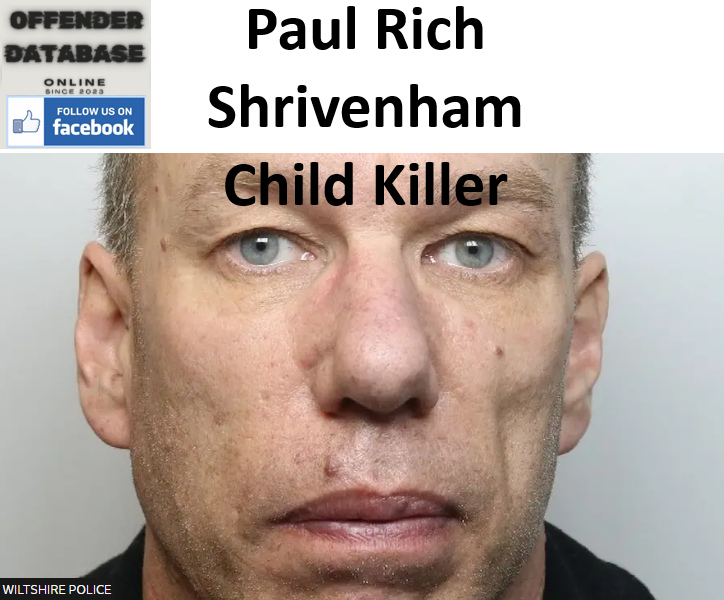
The Tragic Case of Paul Rich Shrivenham: A Manslaughter Conviction in Swindon Baby Death
The tragic death of three-month-old Patrick Bradley in March 2017 sent shockwaves through the community, culminating in the manslaughter conviction of Paul Rich from Shrivenham. This harrowing case highlights the profound vulnerability of infants and the severe consequences of moments of frustration and anger in caregiving. Rich, then 53, pleaded guilty to manslaughter on the eve of his murder trial, accepting responsibility for the unlawful killing of the defenceless baby.
The events leading to Patrick's death underscore the critical importance of understanding caregiver stress and the protective measures necessary to ensure child safety. The legal proceedings brought to light disturbing details about the injuries Patrick sustained, revealing a pattern far more severe than initially claimed by the defendant. The case serves as a stark reminder of the devastating impact such incidents have on families and the wider community, emphasizing the need for robust support systems for parents and caregivers.
The Devastating Events Unfold: A Timeline of Despair
The fateful evening of March 25, 2017, saw Paul Rich entrusted with the care of three-month-old Patrick Bradley at the child's home in Swindon while Patrick's parents were out. It was in the early hours of that morning, around 03:15 GMT, that Rich dialled 999, reporting that Patrick's eyes were "semi-open" and he seemed "floppy." The immediate medical response was critical, but the damage sustained by the infant was irreversible.
Patrick was rushed to the hospital with severe injuries, which were later determined to include compression to the ribs, shaking, and a significant blunt force impact to the head. Despite the best efforts of medical professionals, Patrick's life support was ultimately withdrawn on March 30, and he tragically died in his mother's arms a short time later. The cause of death was definitively identified as a "severe head injury."
Initial Claims Versus Medical Reality
Upon initial questioning, Paul Rich claimed that Patrick's injuries were the result of an accidental drop from his arms into a Moses basket. However, this account was swiftly contradicted by overwhelming medical evidence. Prosecutor Sally Howes QC, presented expert testimony that painted a very different picture. The nature and extent of Patrick's injuries – including the rib compression, evidence of shaking, and the severity of the head trauma – were inconsistent with an accidental fall.
Medical experts concluded that the fatal injuries occurred at the time of or shortly before Patrick's collapse, and critically, that all the injuries were inflicted during a single, brutal assault. This expert consensus left no room for doubt about the intentional, unlawful nature of the harm inflicted. The disparity between Rich's initial explanation and the irrefutable medical facts became a cornerstone of the prosecution's case, dismantling his claims of accidental injury.
The Legal Journey: From Murder Charge to Manslaughter Plea
Paul Rich, of Sandy Lane, Shrivenham, initially faced a murder charge for the death of Patrick Bradley. However, on the eve of his murder trial at Bristol Crown Court, he made a crucial change to his plea. Rich offered a new basis of plea, admitting to manslaughter, which acknowledged his unlawful killing of Patrick. The prosecution accepted this plea, a decision often made in complex cases where securing a conviction, even for a lesser charge, is deemed to be in the public interest, given the intricacies of proving intent for murder.
In addition to the murder charge, Rich had also faced two charges of causing grievous bodily harm with intent on Patrick between March 23 and March 26, 2017. Following the acceptance of his manslaughter plea, these two charges were ordered to lie on file, meaning they would not be pursued further given the conviction on the more serious, overarching charge of manslaughter.
Understanding Manslaughter in Such Cases
Manslaughter, in legal terms, refers to the unlawful killing of a human being without malice aforethought (premeditation or intent to kill). There are different types of manslaughter, and in cases like Paul Rich's, it often falls under 'unlawful act manslaughter' or 'gross negligence manslaughter.' In this context, Rich's plea implies that while he did not necessarily intend to kill Patrick, his actions were unlawful and directly led to the baby's death. The "frustration" he admitted to experiencing, coupled with the violent actions described by the medical evidence, constituted the unlawful act that resulted in the tragic fatality.
The acceptance of a manslaughter plea, especially when a murder charge was initially pursued, is a significant legal development. It often reflects a careful assessment by the prosecution of the evidence available, the likelihood of securing a murder conviction, and the desire to ensure justice is served without the uncertainties of a full murder trial. For more detailed information on the legal proceedings, you can refer to Shrivenham Man Admits Killing Baby: The Paul Rich Case Details.
The Unseen Victims: Impact on Families and Communities
Beyond the legal proceedings and the conviction of Paul Rich, the most profound and lasting impact of this tragedy falls upon Patrick Bradley's parents and wider family. The loss of a child, particularly in such traumatic circumstances, leaves an indelible scar of grief, sorrow, and unanswered questions. No legal outcome can ever truly heal the pain of losing a baby, especially one whose life was so cruelly cut short.
This case also reverberated through the Shrivenham and Swindon communities, serving as a chilling reminder of the hidden dangers that can exist even within trusted caregiving arrangements. Such incidents erode trust and create fear, prompting communities to reflect on their collective responsibility to protect the most vulnerable among them. The emotional toll extends far beyond the immediate family, affecting first responders, medical staff, and all who come into contact with the devastating reality of child abuse.
Preventing Future Tragedies: Support for Caregivers and Awareness
The Paul Rich case, like many similar tragedies, underscores a critical societal challenge: the need to prevent child abuse and provide adequate support for caregivers. Caring for an infant, while incredibly rewarding, can also be immensely challenging and stressful, especially for individuals who may lack sufficient support or coping mechanisms.
Recognizing Warning Signs of Caregiver Stress
It's crucial for caregivers, family members, and friends to recognize the signs of overwhelming stress that could potentially escalate into dangerous situations. These signs might include:
- Increased irritability or anger: Feeling constantly frustrated or lashing out more easily.
- Feelings of isolation: Withdrawing from social contact and feeling alone.
- Exhaustion: Chronic fatigue that sleep doesn't resolve.
- Difficulty coping with crying: Feeling overwhelmed by a baby's persistent crying.
- Changes in mood or behaviour: Depression, anxiety, or uncharacteristic outbursts.
Seeking Support and Resources
If you or someone you know is struggling with the demands of infant care, it is vital to seek help proactively. There are numerous resources available:
- Communicate openly: Talk to your partner, a trusted friend, or family member about your struggles.
- Parenting support groups: Connecting with other parents can provide a sense of community and shared experience.
- Professional counselling: Therapists can offer strategies for stress management and emotional regulation.
- Respite care: Asking for help from trusted individuals to get a break, even for a short time, can make a huge difference.
- Helplines: Many national and local organizations offer anonymous support and advice for parents under stress.
Remember, it's okay to ask for help. Prioritizing the well-being of caregivers is not just beneficial for them, but it is a critical step in safeguarding the lives of the children in their care. The silence surrounding caregiver stress can have devastating consequences, and open dialogue and readily available support are key to preventing further tragedies like that of Patrick Bradley.
Conclusion
The conviction of Paul Rich from Shrivenham for the manslaughter of three-month-old Patrick Bradley stands as a sombre reminder of the fragility of infant life and the profound responsibility of those entrusted with their care. This case, unfolding in Swindon, brought to light not only the horrific circumstances of Patrick's death but also the critical role of medical evidence in discerning the truth behind such tragic events. While justice has been served through the legal process, the underlying pain and the call for greater awareness about caregiver stress and child protection remain pressing. It is imperative that communities foster environments where struggling caregivers feel empowered to seek help, ensuring that no more children suffer the fate of young Patrick Bradley.